
Knee Braces
Knee braces are specifically designed to support different types of injuries, which means each brace serves a unique purpose. Choosing the right one depends on your specific condition, activity level, and recovery goals. To ensure you get the most effective support, we recommend reaching out to SportsBraces. Book a call or schedule an in-person appointment with our team—we’ll assess your condition and help you find the most suitable knee brace for your injury and lifestyle.
-29%
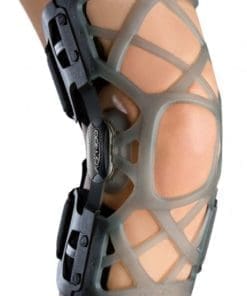
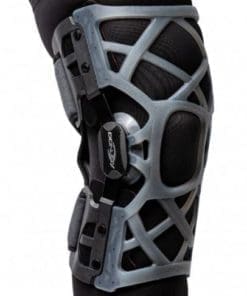
Original price was: $339.99.$239.99Current price is: $239.99.
-29%
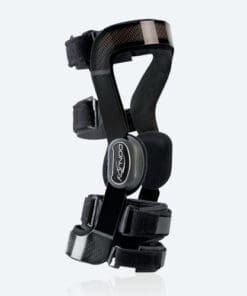
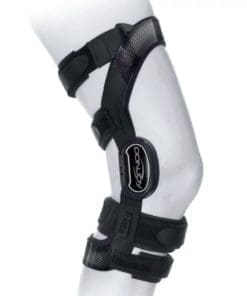
ACL Knee Injury
Original price was: $1,699.00.$1,199.00Current price is: $1,199.00.
Knee Braces
$44.99
Ball of Foot Pain
$44.99
-43%
Basketball
Original price was: $69.99.$39.99Current price is: $39.99.
-38%
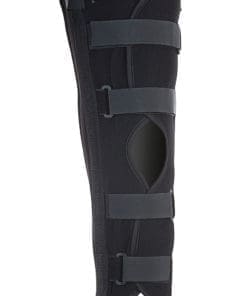
Original price was: $60.00.$36.99Current price is: $36.99.
-20%
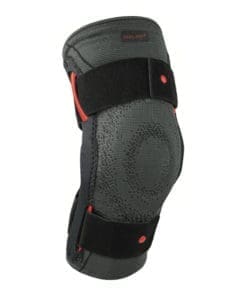
Hinged Knee Braces
Original price was: $79.99.$63.99Current price is: $63.99.
-14%
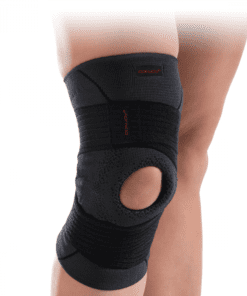
Knee Braces
Original price was: $69.99.$59.99Current price is: $59.99.
-30%
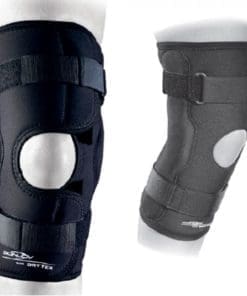
ACL Knee Injury
Price range: $159.99 through $193.99
-18%
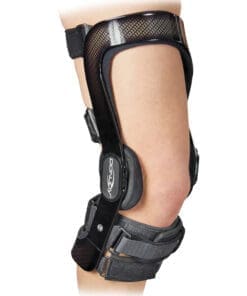
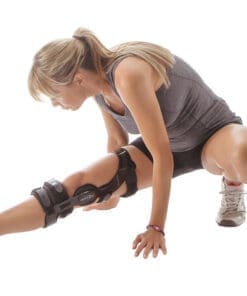
Custom Knee Brace
Original price was: $899.00.$739.00Current price is: $739.00.
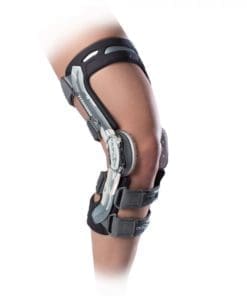
ACL Knee Injury
$2,299.00
-21%
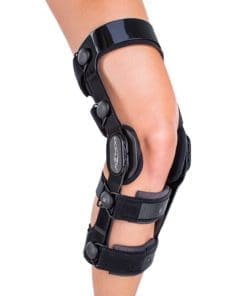
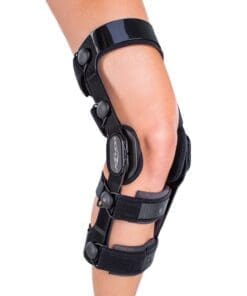
ACL Knee Injury
Original price was: $1,499.00.$1,190.00Current price is: $1,190.00.
-13%
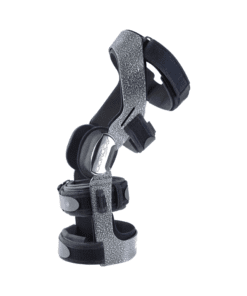
ACL Knee Injury
Original price was: $1,499.00.$1,299.00Current price is: $1,299.00.
-34%
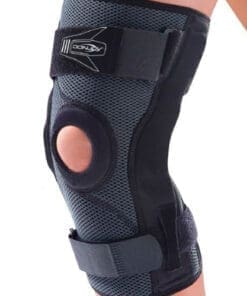
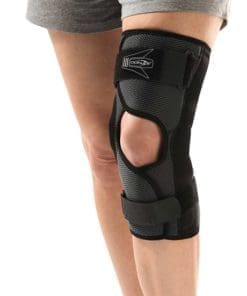
ACL Knee Injury
Price range: $169.99 through $218.99
-43%
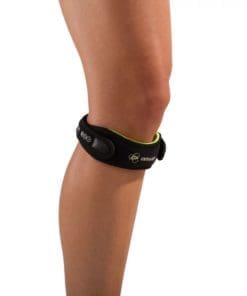
DonJoy Performance
Price range: $16.99 through $29.99
-29%
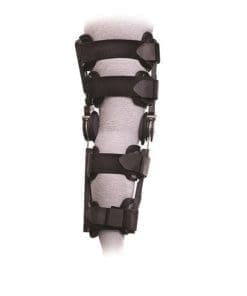
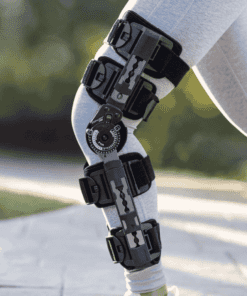
ACL Knee Injury
Original price was: $239.99.$169.99Current price is: $169.99.
-51%
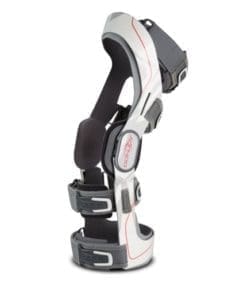
ACL Knee Injury
Original price was: $1,499.00.$739.99Current price is: $739.99.
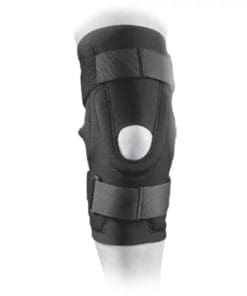
$66.99
-13%
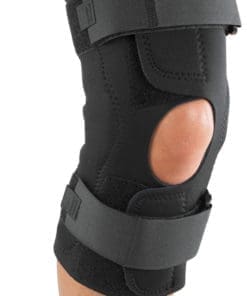
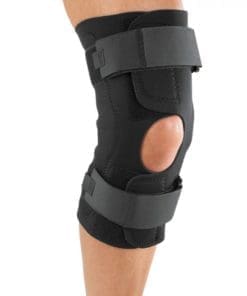
Original price was: $149.99.$129.99Current price is: $129.99.
-19%

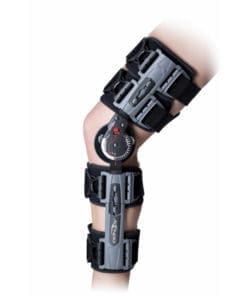
Hinged Knee Braces
Original price was: $259.99.$210.99Current price is: $210.99.
-18%
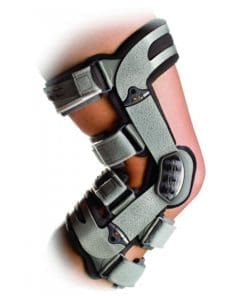
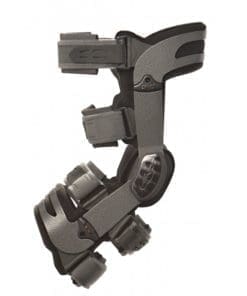
Basketball
Original price was: $1,699.00.$1,399.00Current price is: $1,399.00.
-33%
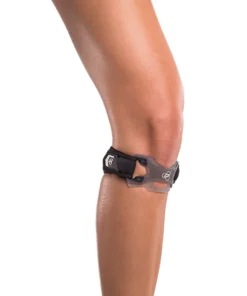
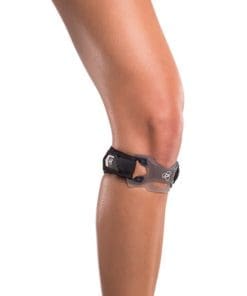
Original price was: $59.99.$39.99Current price is: $39.99.
-31%
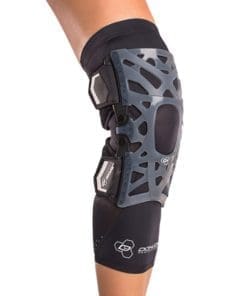
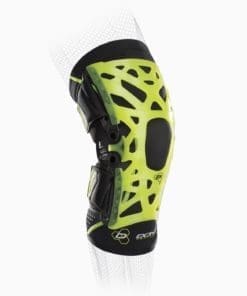
Basketball
Original price was: $159.99.$109.99Current price is: $109.99.
-22%
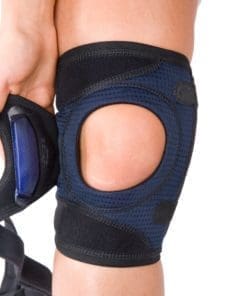
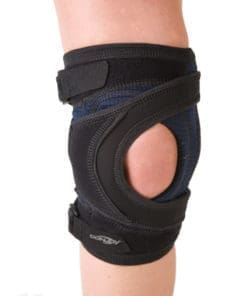
Original price was: $141.90.$109.99Current price is: $109.99.
-62%
Original price was: $499.00.$189.99Current price is: $189.99.
-19%
Basketball
Original price was: $110.99.$89.99Current price is: $89.99.
-25%
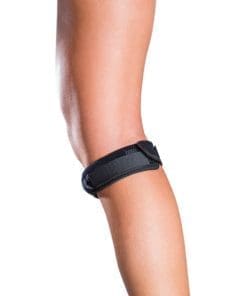
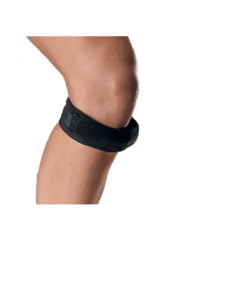
Basketball
Original price was: $39.99.$29.99Current price is: $29.99.
-31%
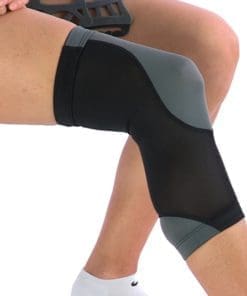
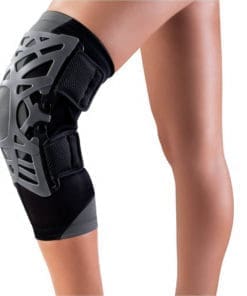
Original price was: $159.99.$109.99Current price is: $109.99.
-27%
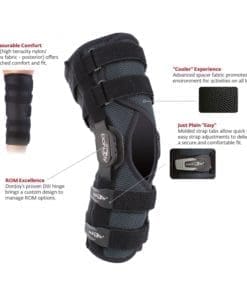
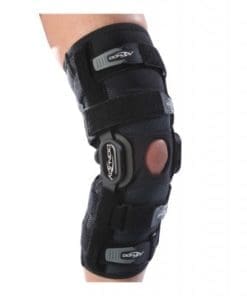
ACL Knee Injury
Original price was: $399.00.$289.99Current price is: $289.99.
-16%
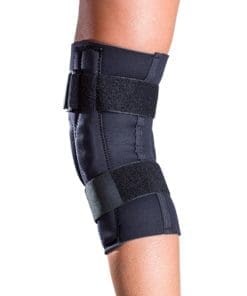
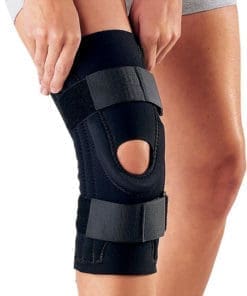
Original price was: $89.99.$75.99Current price is: $75.99.
-23%
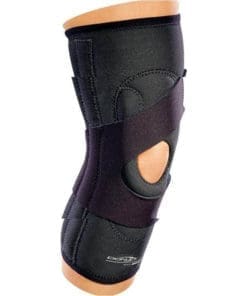
Original price was: $149.99.$114.99Current price is: $114.99.
-8%
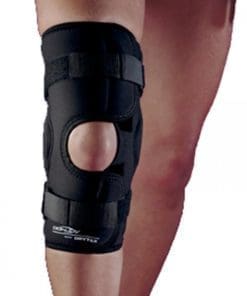
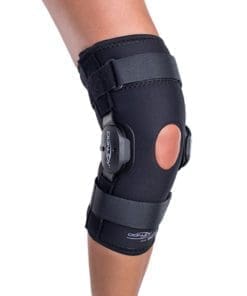
ACL Knee Injury
Original price was: $259.99.$239.99Current price is: $239.99.
-18%
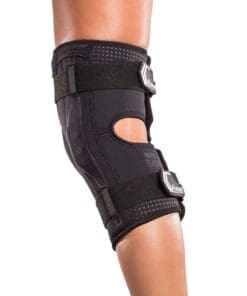
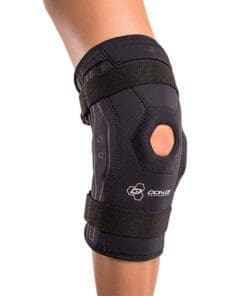
Original price was: $119.99.$98.99Current price is: $98.99.
-31%
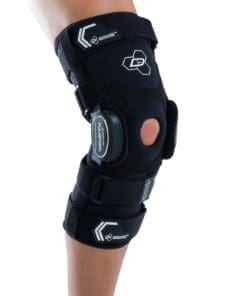
ACL Knee Injury
Original price was: $389.99.$268.99Current price is: $268.99.
-22%
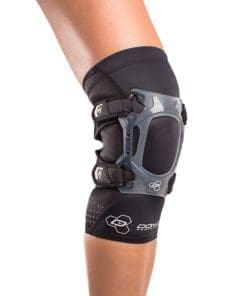
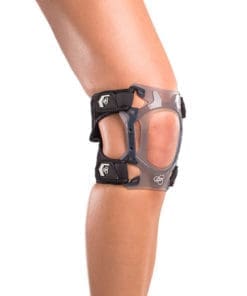
Original price was: $99.00.$76.99Current price is: $76.99.
Knee Brace | Knee Support: Protection, Relief, and Recovery for Your Knees
Wearing a knee brace can significantly improve stability, relieve pain, and aid recovery from injury or surgery. Whether you’re dealing with chronic knee issues, recovering from a recent injury, or simply seeking added support during physical activity, the right knee support can make a major difference in your comfort and mobility.
Why Use a Knee Brace?
Knee braces are designed to support the knee joint by limiting movement, offloading pressure, and enhancing alignment. They are commonly recommended for:
- Reducing pain from arthritis or patellofemoral syndrome
- Supporting recovery after ligament injuries or surgery (ACL, MCL, etc.)
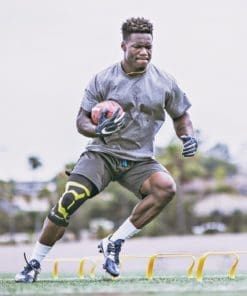
- Preventing injury during sports and high-impact activities
- Improving stability for weak or unstable knees
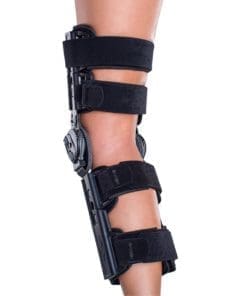
There are different types of knee braces to suit various needs, including knee sleeves, knee immobilizers, and hinged or wrap-around designs.
Types of Knee Braces and Their Uses
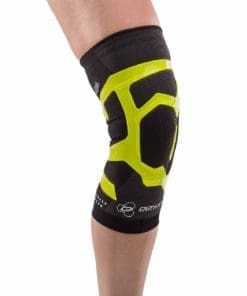
1. Knee Sleeve
A knee sleeve is a soft, slip-on brace made of elastic or neoprene material. It provides light compression, warmth, and minor support. These are ideal for:
- Mild knee pain or inflammation
- Early-stage arthritis
- Everyday activities or light exercise
- Swelling control
Knee sleeves are popular among athletes for their slim fit and easy wearability during workouts.
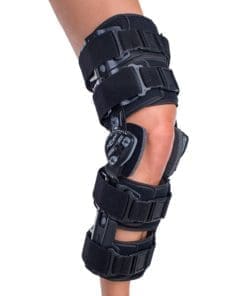
2. Knee Support (Hinged or Adjustable Braces)
This category includes braces with straps, hinges, or open patella designs that offer moderate to maximum support. They are suitable for:
- Post-surgery recovery
- Moderate ligament sprains
- Meniscus injuries
- Instability or “giving way” sensation in the knee
Knee support braces help keep the knee joint aligned and limit sideways or rotational movement to prevent re-injury.
3. Knee Immobilizer
A knee immobilizer is a rigid brace designed to completely restrict knee movement. It is typically used under medical supervision for:
- Post-operative protection
- Patellar dislocations
- Fractures
- Severe trauma to the knee
These braces are worn for short-term use until the knee is stable enough to transition into a more mobile brace.
When Should You Wear a Knee Brace?
You might consider wearing a knee brace in the following situations:
- After a knee injury or surgery, as advised by a healthcare provider
- During sports such as basketball, football, or skiing to prevent injury
- While walking or standing for long periods if you suffer from arthritis
- During rehabilitation or physical therapy to retrain muscle and joint function
- When experiencing swelling or discomfort due to overuse or aging
Frequently Asked Questions (FAQ)
Can I wear a knee brace all day?
Yes, but it depends on the type of brace and the reason for wearing it. Light knee sleeves can be worn all day, while knee immobilizers are typically worn only as prescribed.
Should I sleep with my knee brace on?
Only if instructed by a doctor, especially post-surgery or during specific recovery stages. Sleeping with a knee immobilizer may be necessary in some cases.
Do knee braces help with arthritis?
Yes, especially knee sleeves and supportive braces that offload pressure and reduce inflammation. They can relieve pain and improve function during daily activities.
Measure the circumference of your thigh and calf according to the brand’s sizing chart. A well-fitted brace is essential for comfort and effectiveness.
Can a knee brace weaken my knee?
No, not when used correctly. A brace supports healing and prevents further injury. However, it should not replace proper rehab exercises and strength training.
Is a knee sleeve enough for an ACL injury?
No. ACL injuries typically require a more structured knee support or hinged brace to stabilize the joint, especially during recovery or post-surgery.