

Mar
Understanding Common Wrist Injuries
With the rise of repetitive activities in both our personal and professional lives. Whether it’s from typing, sports, or everyday tasks like stocking shelves, using a register, or handling inventory in-store, wrist injuries such as carpal tunnel syndrome and wrist tendonitis can affect anyone. These conditions can lead to discomfort or long-term issues if not addressed early.
I’ll highlight the most common causes, symptoms, and preventive measures for these conditions, particularly focusing on the types of wrist problems we often see in-store. I believe this information will be helpful to anyone dealing with wrist pain or looking to reduce their risk of injury.
Thank you for taking the time to read through.
Common Wrist Injuries: Overuse, Tendonitis, and Prevention
Wrist injuries are a frequent concern for many, resulting from a variety of causes, including repetitive stress, sudden trauma, or age-related wear and tear. These injuries can range from mild discomfort to severe conditions that lead to long-term disability. Among the most common wrist injuries are overuse injuries such as carpal tunnel syndrome and wrist tendonitis.
Carpal Tunnel Syndrome
Carpal tunnel syndrome (CTS) is a condition that affects the wrist, hand, and fingers, occurring when the median nerve, which runs through the carpal tunnel in the wrist, becomes compressed. This nerve is responsible for sensation in the thumb, index, and middle fingers. The symptoms of CTS typically begin subtly and worsen over time. Common signs include tingling, numbness, pain, and weakness in the hand or fingers. These symptoms tend to be more pronounced at night or during activities that involve repetitive wrist motions, such as typing or playing an instrument.
Wrist Tendonitis
Wrist tendonitis is another prevalent wrist injury, occurring when the tendons connecting the forearm muscles to the wrist bones become inflamed. This condition can be triggered by repetitive movements, sudden impacts, or even age-related degeneration. Symptoms include pain, stiffness, and swelling in the wrist, with discomfort ranging from mild to severe. Tenderness and warmth in the affected area are also common signs of tendonitis.
Treatment and Prevention
Fortunately, several treatments and prevention strategies can help manage and alleviate the symptoms of both carpal tunnel syndrome and wrist tendonitis.
- Rest and Recovery: Resting the affected wrist, along with applying ice and elevating the area, can help reduce pain and swelling.
- Wrist Support: Wearing a wrist brace or splint during repetitive activities can prevent symptoms from worsening and protect the wrist from further injury.
- Physical Therapy: Physical therapy and specific wrist exercises can aid in managing symptoms. Stretching and strengthening exercises for the wrist and forearm muscles can improve mobility and reduce discomfort.
- Ergonomic Adjustments: Making changes to your work environment, such as using a keyboard with wrist support or adjusting your desk height, can help minimize the risk of injury caused by repetitive stress.
For individuals looking to support their recovery or prevent future injury, Sportsbraces.com.au offers a wide range of high-quality wrist braces, available across Australia with fast shipping. Along with braces, you can find a variety of exercise equipment, rehab tools, and therapy products to help speed up the healing process.
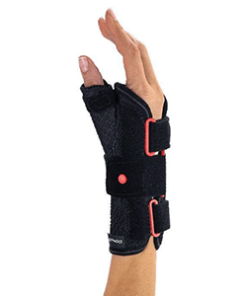
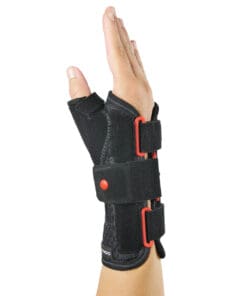
Carpal Tunnel Syndrome
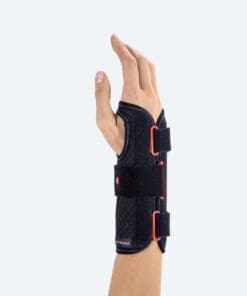
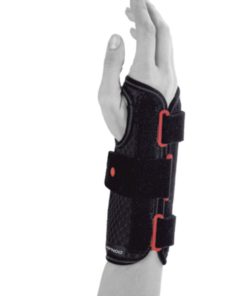
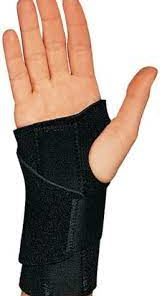

Carpal Tunnel Syndrome