
Sep
PCL Bracing: Complete Guide to Knee Support & Injury Recovery
Discover how a PCL brace can aid recovery from posterior cruciate ligament injuries, stabilize your knee, and help you return to activity safely.
What is a PCL Brace?
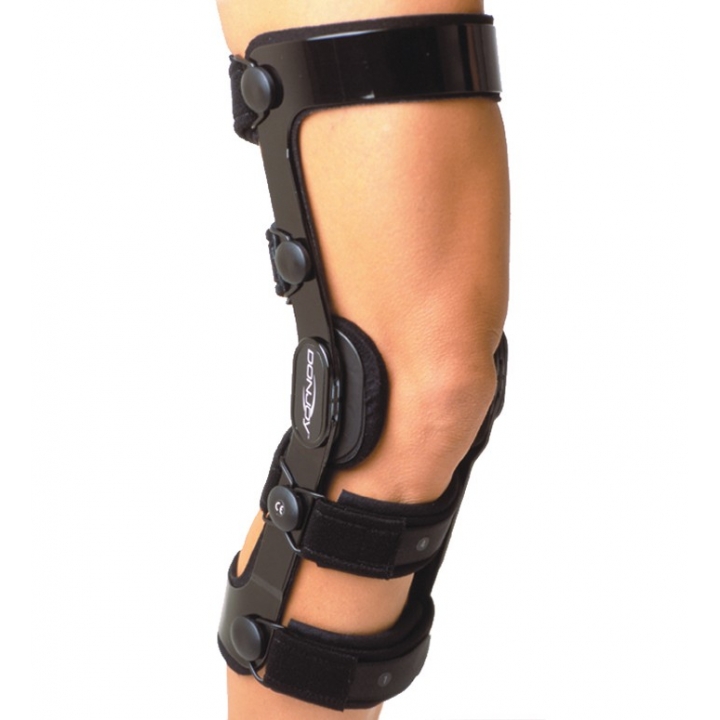
A PCL knee brace is a specialized device designed to limit backward movement (posterior translation) of the shinbone (tibia) relative to the thighbone (femur). Unlike an ACL brace, which prevents forward sliding of the tibia, a posterior cruciate ligament brace focuses on controlling posterior sag to stabilize the knee after a PCL injury or surgery.
How Does a PCL Injury Occur?
PCL injuries typically result from trauma or excessive force to the front of the shinbone. Common causes include:
- Dashboard injuries during car accidents.
- Falling on a bent knee with the foot pointed downward.
- Sports injuries in high-impact activities like rugby, skiing, football, or basketball.
- Hyperflexion or hyperextension of the knee joint.
How Does a PCL Brace Work?
A PCL knee support works by resisting posterior translation of the tibia. The brace’s strapping system is designed to push the tibia forward, aligning it correctly under the femur to reduce strain on the posterior cruciate ligament. This contrasts with an ACL brace, which prevents forward (anterior) movement of the tibia.
Benefits of Using a PCL Knee Brace
Using a PCL injury brace offers several advantages for recovery and knee health:
- Supports an injured or post-surgical PCL.
- Maintains knee stability during movement.
- Prevents posterior sag and instability.
- Enables a safer return to sports and exercise.
- Reduces the risk of further knee damage and long-term issues like arthritis.
PCL Brace vs. ACL Brace: Key Differences
The primary difference between a PCL brace and an ACL brace lies in the direction of support:
- ACL brace: Prevents the tibia from sliding forward.
- PCL brace: Prevents the tibia from sliding backward.
The strapping systems are configured oppositely to address these distinct movements, making it critical to use the correct brace for your injury.
FAQs About PCL Bracing
Do all PCL injuries require a brace?
No, mild PCL sprains may recover with physiotherapy alone. Bracing is typically recommended for moderate to severe injuries or post-surgery.
How long should you wear a PCL brace?
Most patients wear a PCL rehabilitation brace for 6–12 weeks, depending on the severity of the injury and medical guidance.
Can you play sports with a PCL brace?
Yes, many athletes return to sports with a PCL knee brace, but only with clearance from a medical professional.
Is a PCL brace uncomfortable?
Modern PCL braces are lightweight, adjustable, and designed for extended wear. Some initial adjustment is normal, but most users adapt quickly.
Can I use an ACL brace instead of a PCL brace?
No, using an ACL brace for a PCL injury will not provide proper stabilization due to the opposite mechanics of support.
Is a PCL Brace Right for You?
A PCL knee brace is a vital tool for managing posterior cruciate ligament injuries. By preventing backward sag of the tibia, it protects the knee, supports healing, and facilitates a safer return to activity. Consult a physiotherapist or sports physician to determine if a PCL injury brace is appropriate for your recovery journey.