
Patellar Tendonitis/Jumper’s Knee
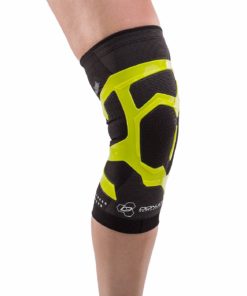
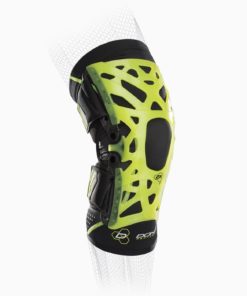
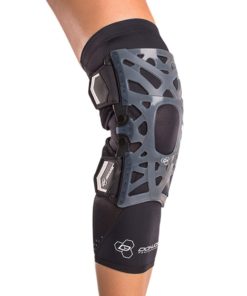
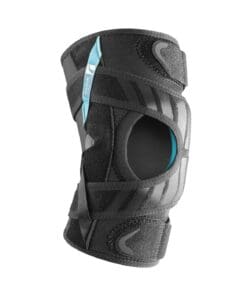
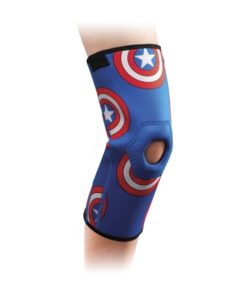
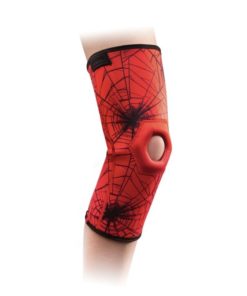
The range below offers suitable support for those with Patellar Tendonitis, also known as Jumper’s Knee, via sleeve-style braces that combine compression and bracing benefits. These specialised braces allow for targeted, zonal compression around the knee with thermal regulating properties.
Give your knee joint some much-needed support while improving circulation via an enhanced fit and better range of motion. These low profile performance products are designed to keep you moving, reducing the risk of strains, inflammation and swelling, along with prevention of tendonitis and soreness.
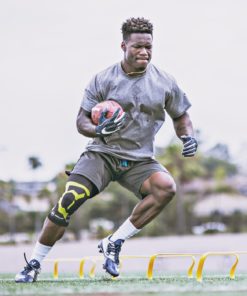
Perfect for basketball players who require compression and stability that does not slow you down, and runners looking to improve circulation while running. Also suitable for a range of other sports which require a level of stability and support when dealing with quick lateral movements, these braces will help with inflammation and swelling while ensuring you do not see a dip in your performance.
These innovative systems provide all-day comfort and targeted pain relief from Patellar Tendonitis from sleeves to knee straps. Designed to fit the knee’s contours, these braces will evenly distribute pain-relieving pressure helping you overcome the obstacles that stop you from performing at your best.
Speak to our team for online support over the phone from 9am – 5pm by calling 1300 070 948. We provide all the info you need for knee injuries and other ailments such as chronic ankle sprains, wrist sprains, and more. The variety of brace options available on our site are categorised by sport for easy search, and our experts have all the answers you need. Don’t let an injury prevent you from staying active or playing the sport you love, let the team at Sportsbraces.com.au find you the best products for your needs today.
-19%
Basketball
Original price was: $110.99.$89.99Current price is: $89.99.
-31%
Basketball
Original price was: $159.99.$109.99Current price is: $109.99.
-33%
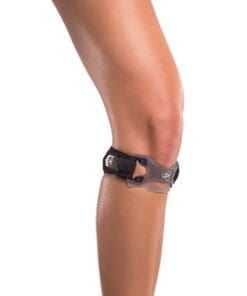
Original price was: $59.99.$39.99Current price is: $39.99.
-22%
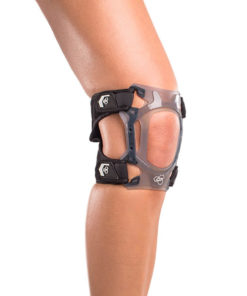
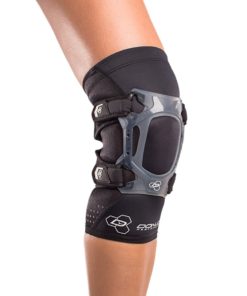
Original price was: $99.00.$76.99Current price is: $76.99.
-25%
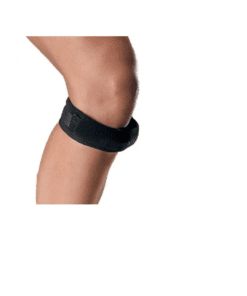
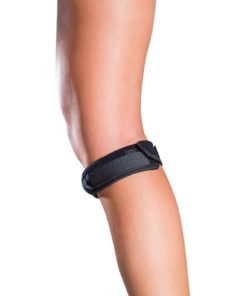
Basketball
Original price was: $39.99.$29.99Current price is: $29.99.
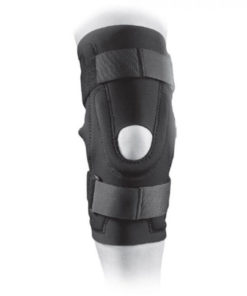
$66.99
-43%
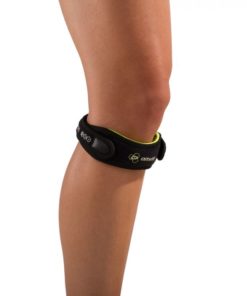
DonJoy Performance
Price range: $16.99 through $29.99
-24%
Knee Braces
Original price was: $129.99.$98.99Current price is: $98.99.
-80%
Knee Braces
Original price was: $49.99.$9.99Current price is: $9.99.
Patella Tendinitis: Understanding Jumper's Knee
Patella tendinitis, commonly known as jumper's knee, is a prevalent condition affecting athletes across various sports, particularly those involving jumping and explosive movements.
This comprehensive exploration will delve into the origins of the condition, its prevalence, biomechanics, risk factors, diagnosis, treatment options, and prevention strategies. By understanding the intricacies of jumper's knee, athletes, coaches, and healthcare professionals can better manage and prevent this debilitating condition.
Prevalence and Demographics for Jumper's Knee
Jumper's knee is one of the more common tendinopathies affecting athletes with mature skeletons.
Studies have shown that it occurs in as many as 20% of jumping athletes, making it a significant concern in sports medicine.
The prevalence of jumper's knee varies depending on the sport and level of competition, with higher rates observed in elite athletes participating in sports with high jumping demands.When examining the distribution of jumper's knee among athletes, interesting patterns emerge regarding gender and laterality.
In cases of bilateral tendinopathy, where both knees are affected, males and females are equally impacted. However, when considering unilateral tendinopathy, affecting only one knee, there is a notable disparity between genders.
Twice as many males as females are affected by unilateral jumper's knee, suggesting potential differences in biomechanics, training intensity, or hormonal factors that may influence the development of this condition.
Sport-Specific BiomechanicsThe underlying cause of jumper's knee is believed to be the repetitive stress placed on the patellar or quadriceps tendon during jumping activities.
This stress leads to microtrauma in the tendon, which, over time, can result in degenerative changes and chronic pain. Understanding the biomechanics of jumping and how it relates to the development of jumper's knee is crucial for both prevention and treatment strategies.
In sports like basketball and volleyball, athletes perform numerous jumps during practices and competitions. Each jump involves a rapid eccentric contraction of the quadriceps muscle as the athlete lands, followed by a powerful concentric contraction to propel the body upward. This repetitive loading and unloading of the patellar tendon can lead to cumulative microtrauma, especially when proper technique and adequate rest are not maintained.
The biomechanics of jumping can be broken down into several phases:
Preparation phase: The athlete flexes their knees and hips, lowering their center of gravity.
Take-off phase: A rapid extension of the knees and hips generates force to propel the body upward.
Flight phase: The body is airborne, with minimal muscle activity.
Landing phase: The athlete absorbs the impact by flexing their knees and hips, placing significant stress on the patellar tendon.
Each of these phases contributes to the overall load on the patellar tendon, with the landing phase being particularly crucial in the development of jumper's knee. Improper landing technique, such as landing with straight legs or excessive knee valgus (inward collapse), can increase the stress on the tendon and contribute to the development of tendinopathy.
Sports Most Commonly Associated with Jumper's Knee
While jumper's knee is most prevalent in sports involving frequent jumping, it can occur in a variety of athletic activities.
The following sports have been identified as having a higher incidence of jumper's knee:
Basketball: The constant jumping, quick direction changes, and repetitive landing make basketball players particularly susceptible to developing jumper's knee.
Volleyball: Similar to basketball, volleyball involves numerous jumps for serves, blocks, and spikes, placing significant stress on the patellar tendon.
Track and Field: High jump, long jump, and triple jump athletes are at increased risk due to the explosive nature of their events and the high impact forces involved.
Soccer: Although not primarily a jumping sport, soccer players can develop jumper's knee due to the frequent sprinting, cutting, and occasional jumping required in the game.
Gymnastics: The repetitive landing from various apparatus and tumbling routines can contribute to the development of patellar tendinopathy.
Weight Lifting: While less common, weightlifters can develop jumper's knee due to the high loads placed on the knee joint during exercises like squats and cleans.
Cycling: In rare cases, cyclists may experience a jumper's knee due to the repetitive nature of pedaling and the forces transmitted through the knee joint.
Understanding the sport-specific demands and biomechanics is crucial for developing targeted prevention and treatment strategies for athletes in these high-risk sports.
Treatment Options for Jumper's Knee
The treatment of jumper's knee typically follows a conservative approach, with surgical intervention reserved for cases that do not respond to non-operative management.
The primary goals of treatment are to reduce pain, promote tendon healing, and restore normal knee function.
Treatment options can be categorized into several approaches:
Gradual return to sport-specific activities
Physical Therapy: Eccentric strengthening exercises for the quadriceps Stretching and flexibility exercises for the lower limb muscles Patellar taping or bracing to reduce tendon stress Biomechanical analysis and correction of jumping and landing technique
Pain Management: Ice therapy to reduce inflammation and pain Non-steroidal anti-inflammatory drugs (NSAIDs) for short-term pain relief
Jumper's Knee & Patellar Tendonitis Braces
Wearing a brace for Jumper’s Knee will help apply pressure on the patellar tendon to help reduce pain. A knee strap or band will help absorb force on the knee and can help give you the support you need while you stay active.